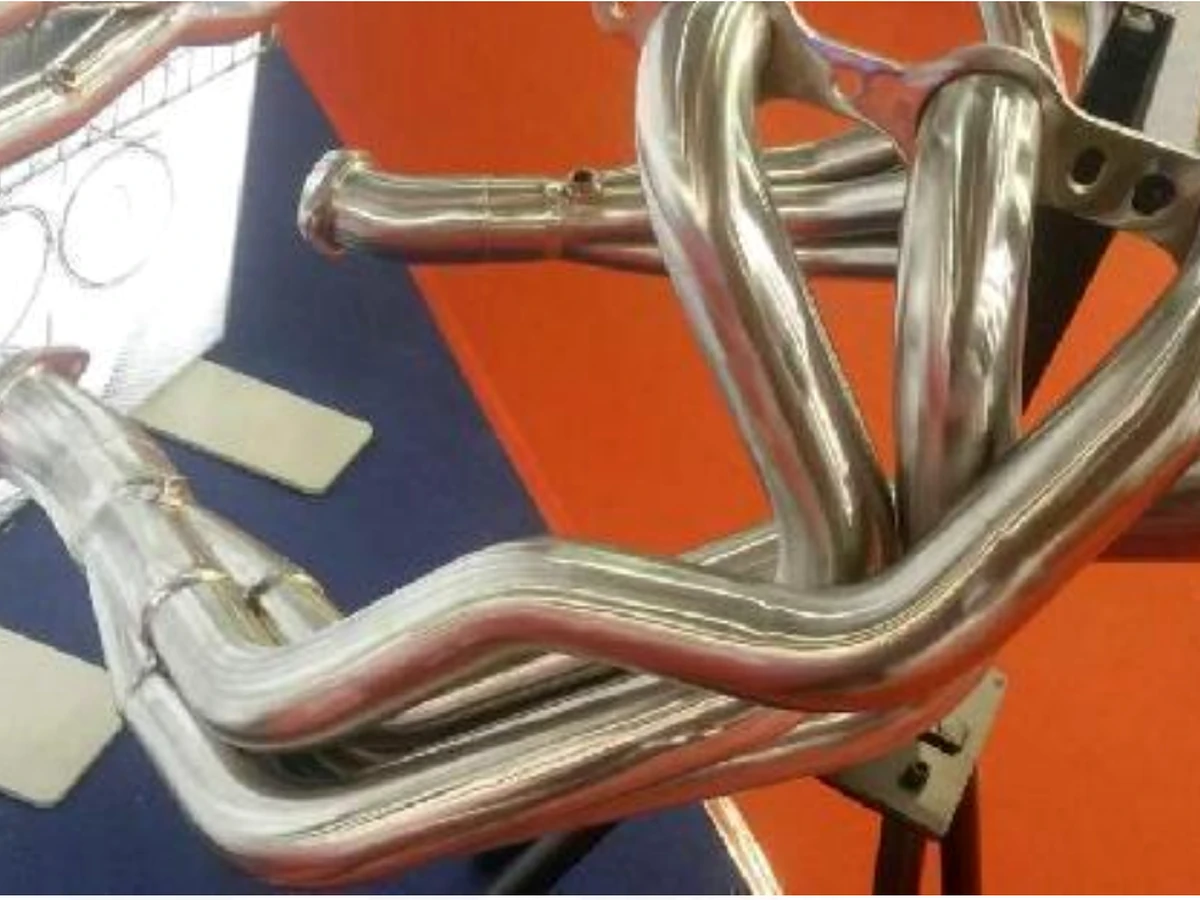
JAYU China | Drawing-Based Tube Forming
Stainless Steel Tube Hydroforming for Custom OEM Parts
Send the tube form, dimensions, wall thickness, material, target geometry, drawing, quantity, and downstream assembly requirement for review. We evaluate hydroforming together with tooling logic, trimming, welding, finishing, and the production route needed for the finished component.
2012Founded
20+ YearsCore Team Experience
3,000 m2Factory Area
1,000 TonsMonthly Capacity
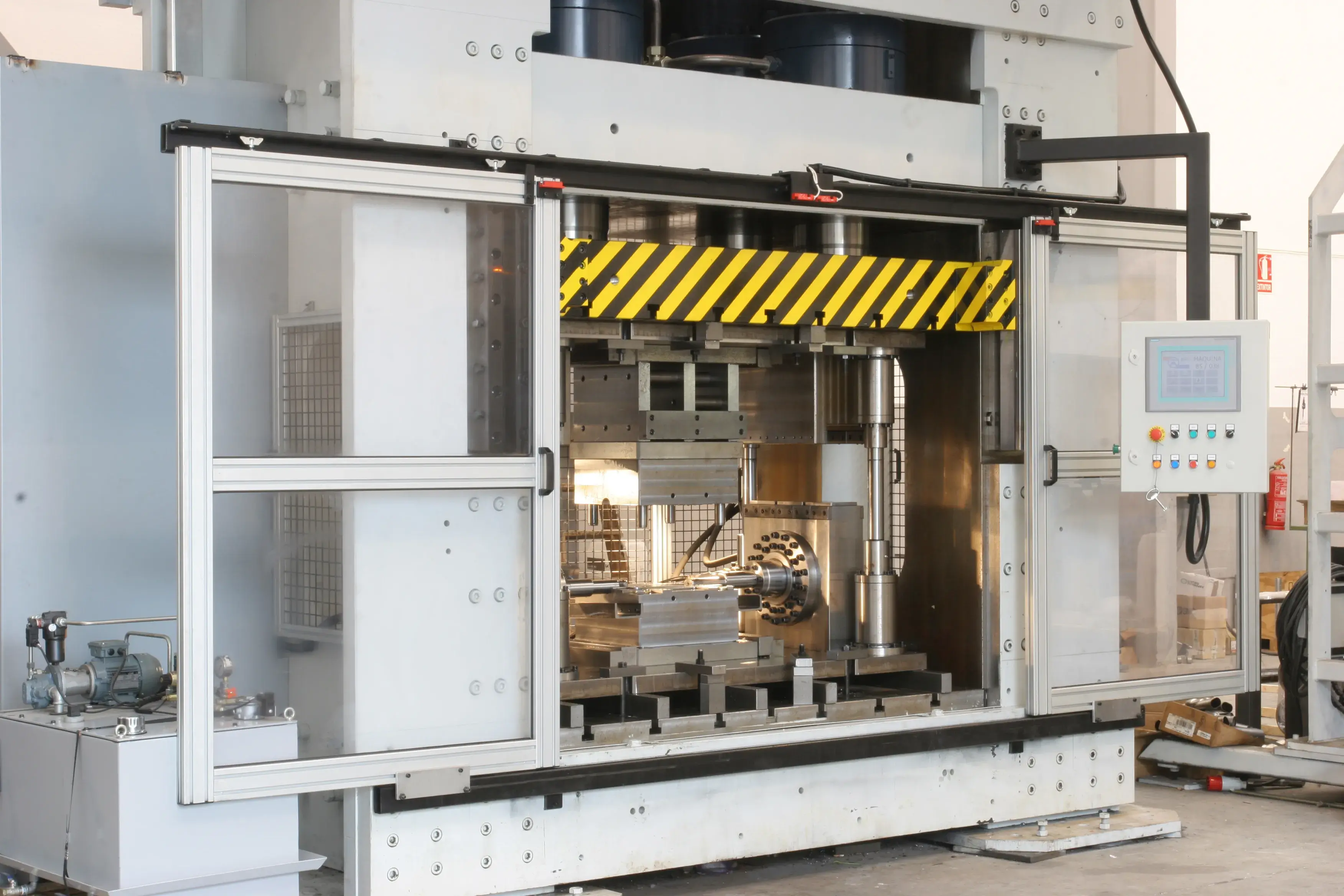
Stainless Steel Tube Hydroforming
Tube hydroforming uses internal fluid pressure to expand a tube blank against a die, creating localized expansions and changes in cross-section. JAYU reviews the drawing, starting tube, tooling, quantity and follow-on processes together before confirming a production route.
| Service | Tube hydroforming project support |
|---|---|
| Part Focus | Shaped tube sections, localized expansion zones, branch-ready forms, and reduced-weld geometry |
| Materials | Stainless steel tube programs reviewed according to part geometry and forming route |
| Project Review | Drawing, section change, tooling concept, annual volume, tolerance need, and assembly use |
| Follow-On Processes | Laser cutting, trimming, end forming, welding, polishing, and final assembly |
| MOQ | Best suited to validated sample and repeat-production programs |
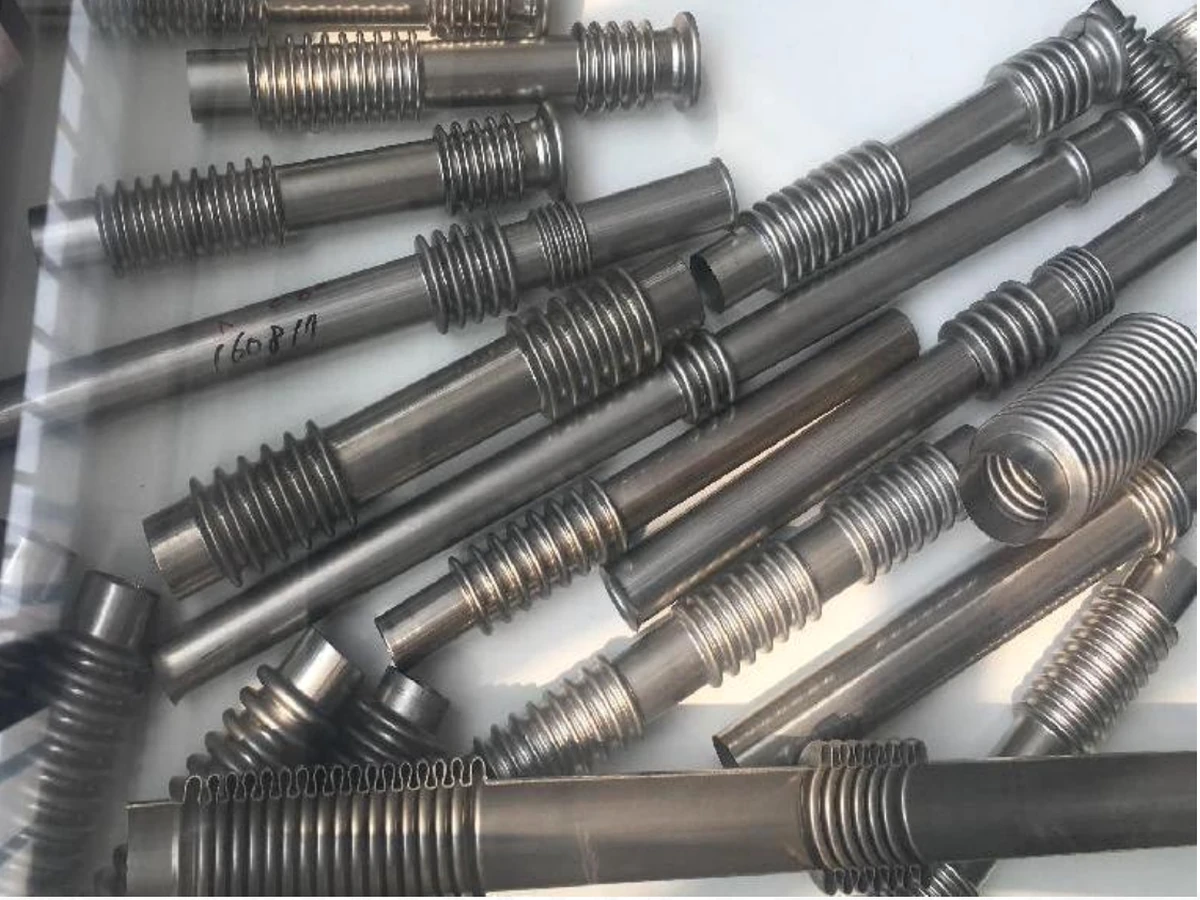
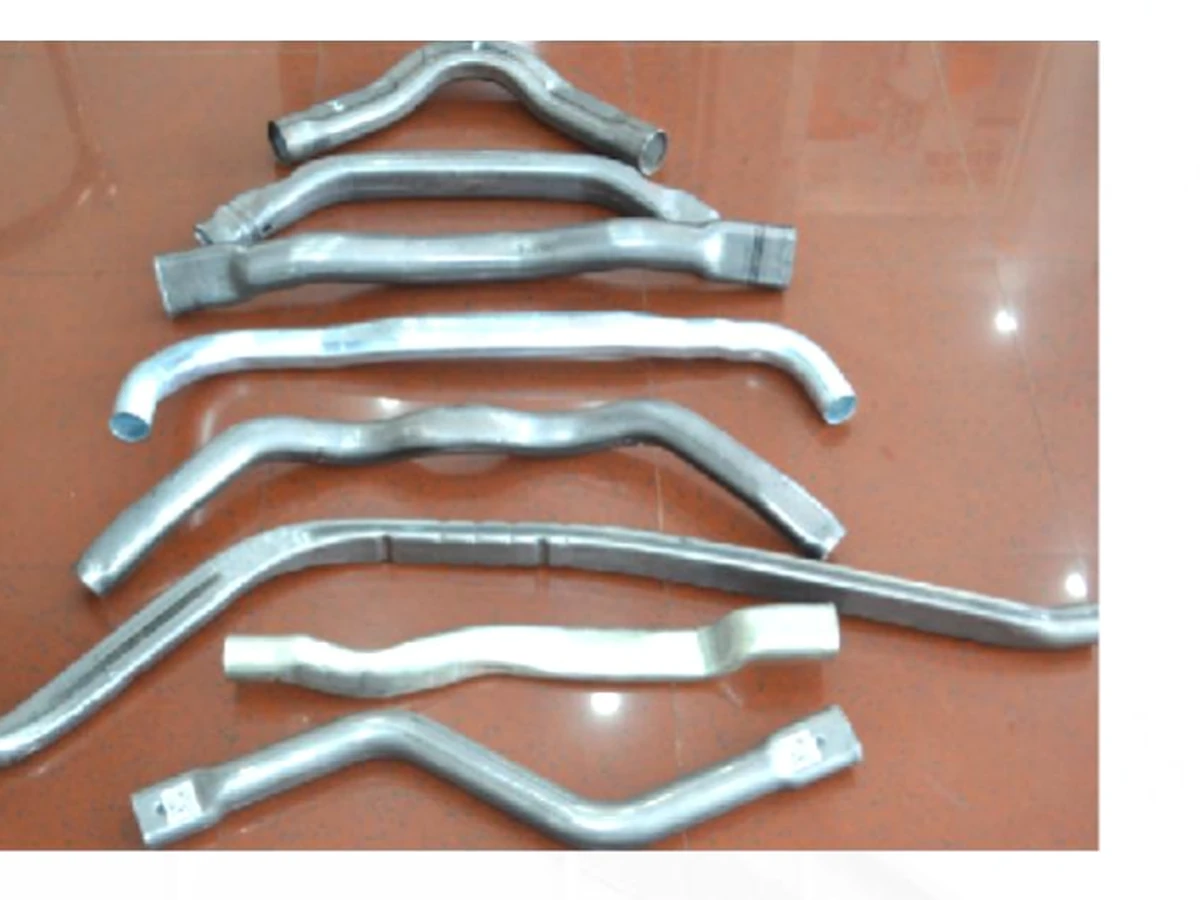
Formed Tube Product Gallery
Selected product images from the JAYU hydroforming catalog show shaped stainless steel tube parts and application-ready components.
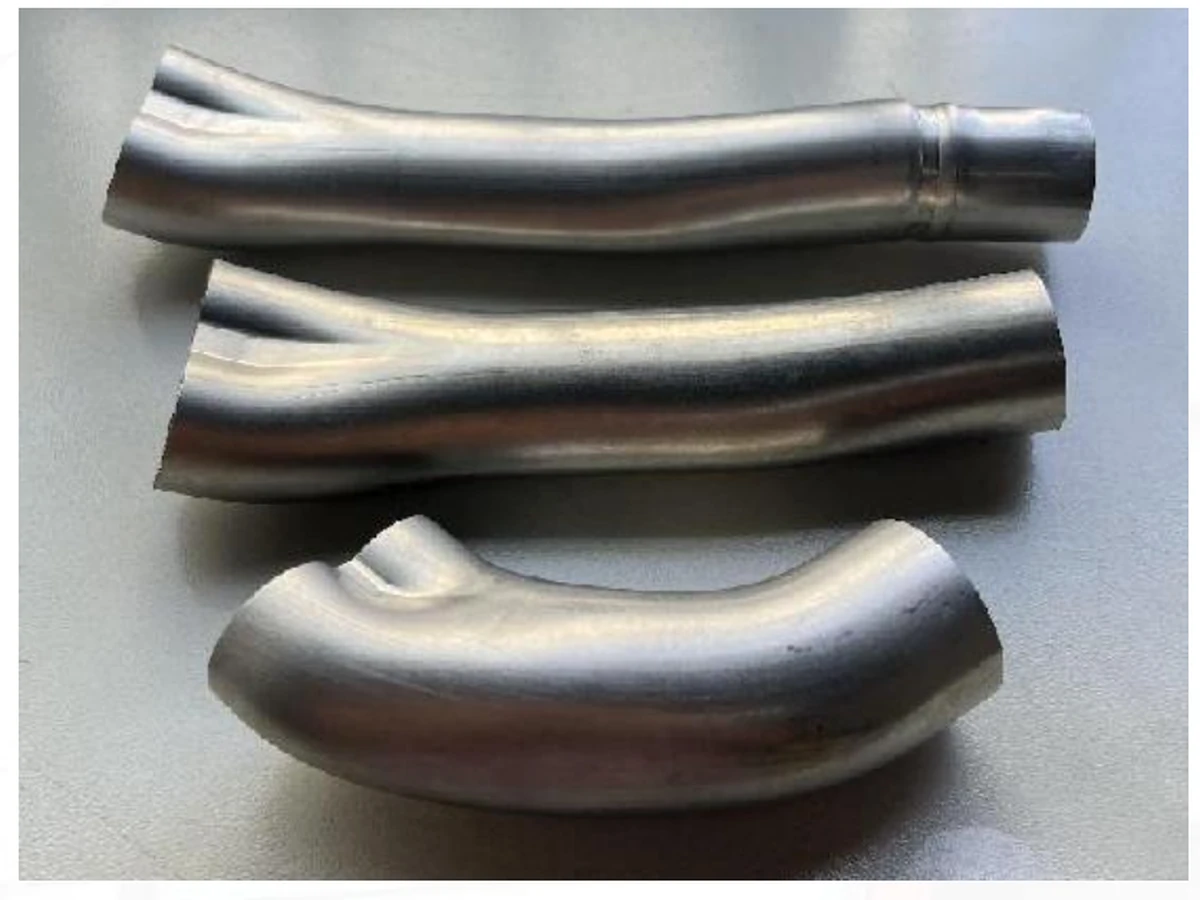
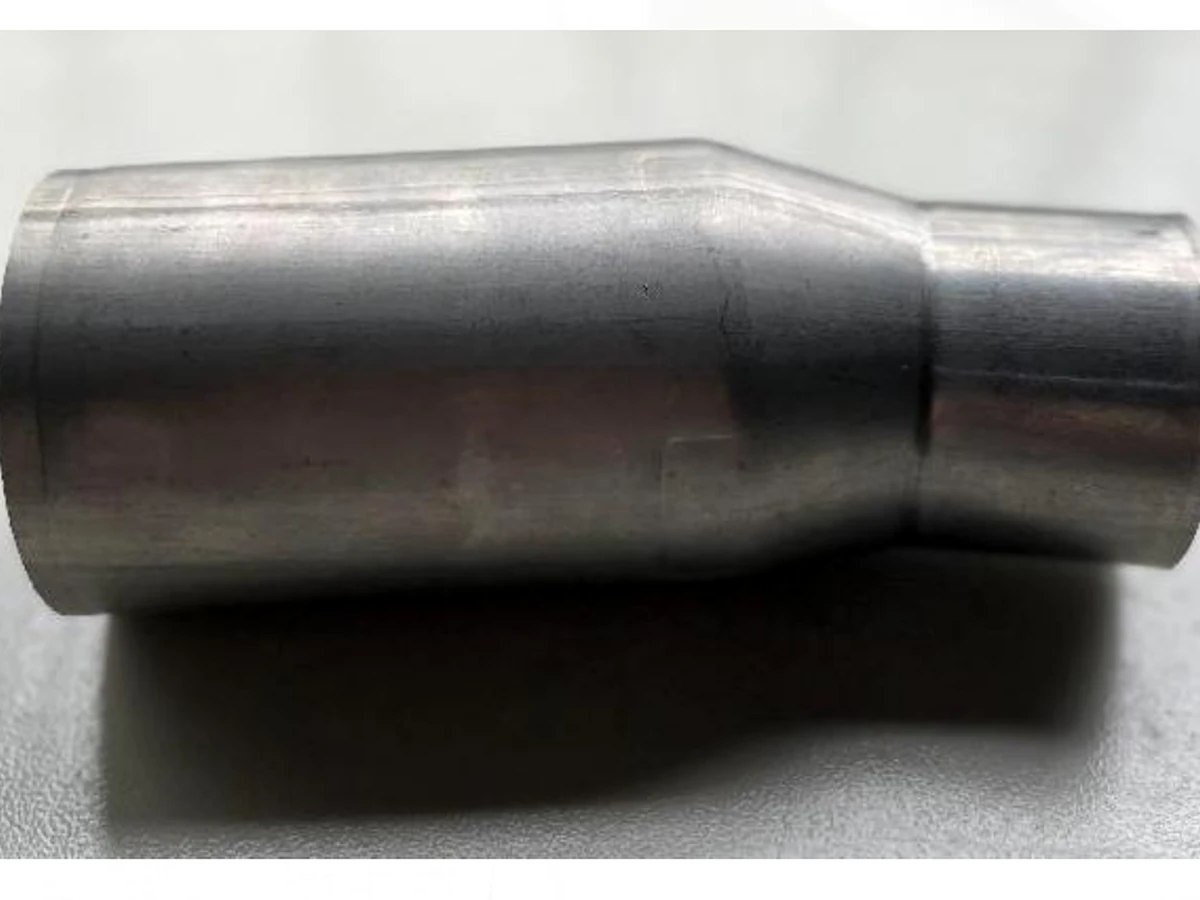
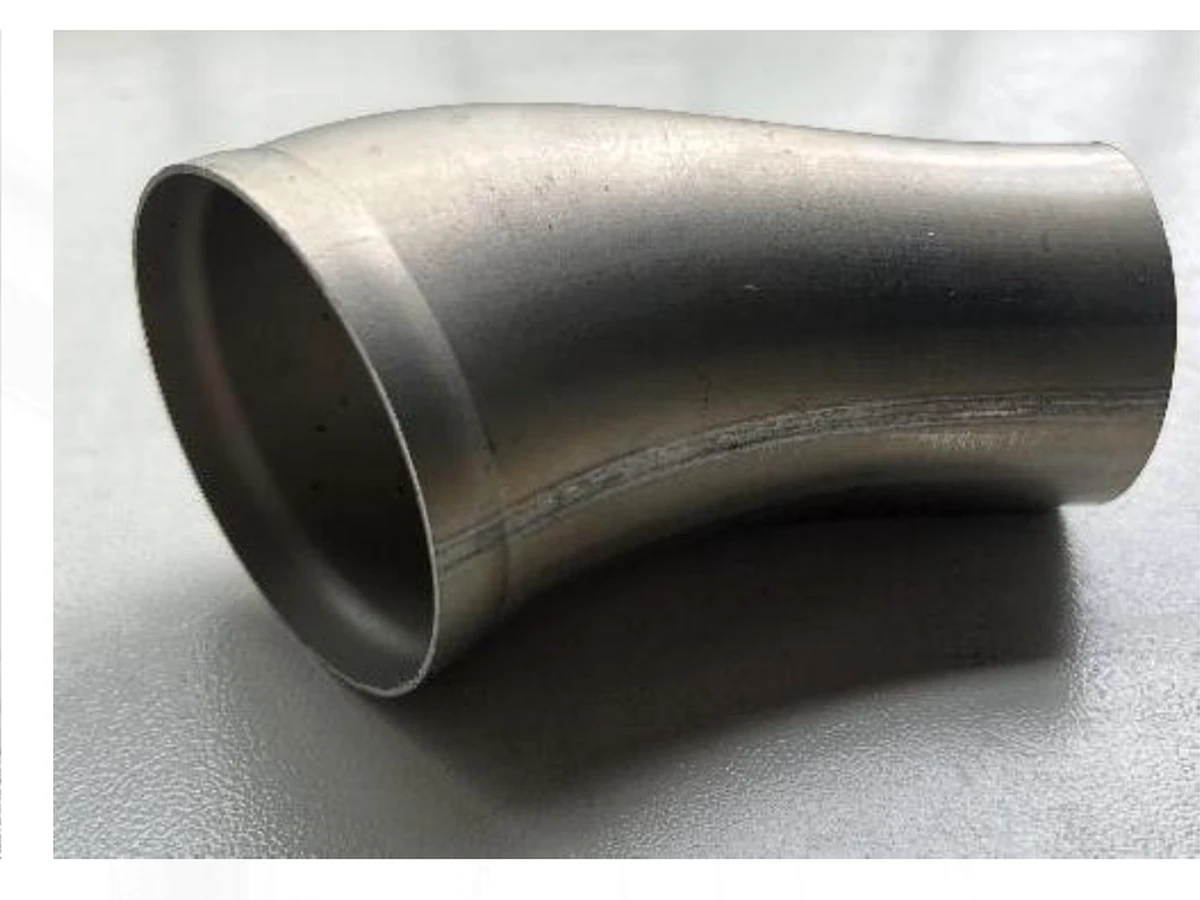
Product & Hydroforming Technology Catalog
Review formed tube applications, hydroforming fundamentals, materials, CAE analysis, tooling development, and the information needed for a custom RFQ.
Suitable Tube Types
Hydroforming is usually selected for projects where the formed geometry adds enough product value to justify a dedicated process review.
- Round or shaped stainless steel tube that needs localized expansion or profile change
- Tube components where smoother transitions improve strength, weight, or appearance
- OEM programs that want to reduce weld joints and simplify assembly steps
- Repeat parts with validated geometry, tooling direction, and stable annual demand
- Assemblies that combine formed tube sections with trimming, joining, and finishing work
Common Applications
Automotive and Mobility Parts
Hydroformed tube components are often considered where shaped geometry, weight control, and repeatability matter.
Equipment Frames and Structural Tubes
Localized section changes can help integrate multiple functions into one formed tube part.
OEM Development Programs
Projects with long-term production potential can be reviewed for tooling, sample validation, and downstream fabrication planning.
Related Stainless Steel Tube Capabilities
Hydroformed parts commonly continue to trimming, end preparation, welding, and final inspection. Review the connected processes before sending one complete drawing package.
Tube End Forming
Coordinate expanded, reduced, flared, or joining-ready ends with the hydroformed body.
Explore stainless steel tube end formingTube Laser Cutting
Trim edges and add drawing-based holes, slots, or assembly reference features.
Explore stainless steel tube laser cuttingTube Welding
Join formed parts, ports, brackets, and mating tube components into an assembly.
Explore stainless steel tube weldingProject Quotation
Send the drawing, tube specification, material, quantity, and target section changes for review.
Request a tube hydroforming quoteQuote Information Needed
Please send 2D or 3D drawings, tube size, wall thickness, material grade, target section changes, tolerance expectations, annual volume, prototype plan, and any assembly or leak-related requirements.
FAQ
Is hydroforming suitable for every custom tube part?
No. It is usually evaluated for parts where the geometry or volume justifies a more specialized forming route.
Can you review early-stage development files?
Yes. Early drawings, section studies, and target volumes are helpful for judging feasibility and quotation direction.
Can hydroformed parts continue to trimming or welding?
Yes. Most projects still need trimming, hole making, joining, finishing, or final assembly after forming.
Need Tube Hydroforming Evaluation?
Send your part drawing, target section change, tube specification, and annual demand estimate. We will review the project and reply with next-step guidance.